*Guest Contribution
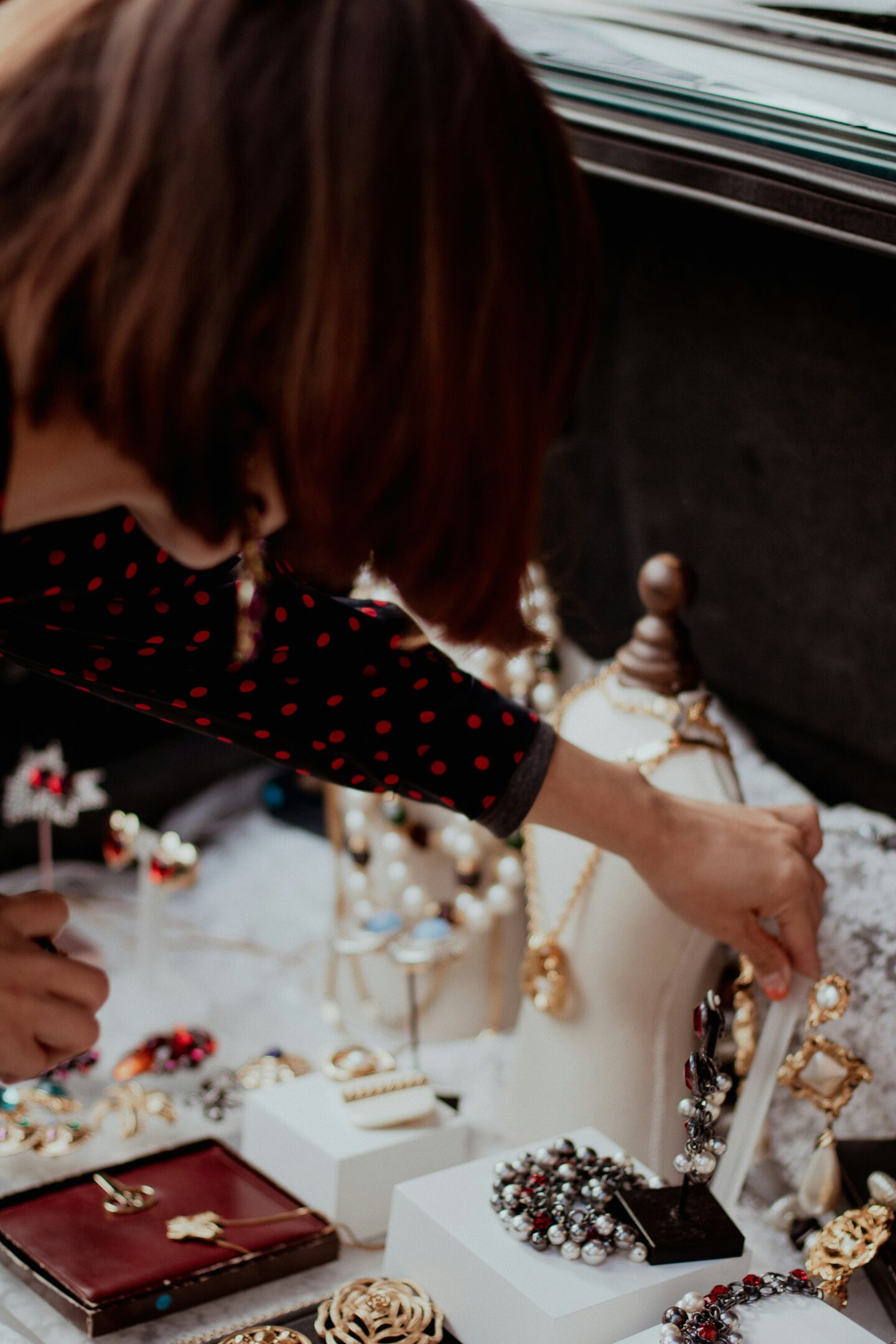
Thrifting jewelry is having a major moment right now, and once you start, it’s easy to see why. You can find unique pieces, save money and build a collection that feels completely personal. Whether you’re browsing a local thrift store or scrolling resale apps, knowing what to look for helps you avoid junk and score pieces you’ll actually love wearing. You don’t need to be an expert to know how to thrift jewelry successfully. You just need a few simple tricks, a little patience and a good eye.
Why Thrifting Jewelry Is Worth It
When you thrift jewelry, you’re treasure hunting. Many secondhand pieces offer better craftsmanship and more unique designs. Materials like silver and gold have been used for centuries, and their durability makes them ideal for reuse.
There’s also a sustainability benefit. Mining companies around the world, including those that mine gold, dump 180 million tonnes of toxic waste into rivers, lakes and oceans every year. Even when they don’t dump it directly, things can still go wrong. If structures like tailings dams break, those harmful materials can leak into nearby waterways anyway. Buying secondhand is important because it keeps materials out of the waste stream.
Where to Look and What to Expect
Start with thrift stores, flea markets and estate sales. Each one offers something different. Thrift stores tend to be more affordable but require patience, while estate sales often have higher-quality or vintage pieces that have been well cared for.
You might also come across “mystery jewelry jars.” These are popular on TikTok and usually sold at a flat price, filled with random pieces. Most of the time, you’ll get costume jewelry, but occasionally, people find real silver or gold hidden inside. It’s a bit of a gamble, but part of the fun is not knowing what you’ll uncover.
How to Spot Quality Pieces
The first thing you want to check is the material. Turn the jewelry over and look for tiny stamps or markings. These can tell you exactly what you’re buying. Pure silver jewelry contains about 99.9% silver, making it more resistant to tarnish. To identify it, look for a small stamp reading 999, which indicates the piece is 99.9% silver.
Sterling silver is more common and still a great find. Look for markings like 925, 925/1,000, Sterling, Sterling 9.25 or S/S. These indicate the jewelry is 92.5% silver and 7.5% another metal. If you don’t see any markings, it’s most likely silver-plated.
You should also pay attention to how the piece feels. Real metal jewelry usually has a bit of weight to it and doesn’t feel flimsy. Check clasps, chains and stone settings. If something feels loose or poorly made, it probably won’t last long.
Gold vs. Silver: Which Should You Choose?
When thrifting, you’ll likely see both gold and silver pieces. The choice often comes down to your style, but there are a few helpful things to keep in mind.
People have traditionally seen gold jewelry as more elegant because it’s long been associated with wealth and status. Silver didn’t carry the same image in the past, but that’s changed over time. Today, both metals can feel just as stylish. It really comes down to how you wear them. Many fashion experts suggest that silver complements cooler skin tones while gold pairs better with warmer tones, but you can absolutely mix both depending on your outfit and mood.
You should also consider maintenance. The higher the gold content, the less maintenance it usually needs. Silver works a bit differently because it’s stronger and more resistant to scratches or deformations when it’s blended with other metals. However, mixtures of silver and other metals, such as sterling silver or silver-plated items, tend to tarnish faster than pure silver.
Quick Tips Before You Buy
Always inspect jewelry closely before purchasing. Look for missing stones, discoloration or damage. Some wear is normal, especially with vintage pieces, but anything heavily damaged may not be worth it.
It’s also a good idea to clean your jewelry after bringing it home to reduce germs. A quick clean helps your pieces look better and keeps them safe to wear. You can use mild soap and warm water. Just remember to be gentle.
Finally, trust your instincts. If something catches your eye, matches your style and feels well-made, it’s probably a good find.
The Fun of the Hunt
While discovering how to thrift jewelry, you’ll realize it’s part skill, part luck and a lot of fun. Some days you’ll find nothing and other days you’ll discover something that feels like a hidden gem. The more you thrift, the better your eye becomes. You’ll soon start spotting quality pieces faster and building a collection that feels completely your own.


Such a helpful post! I love how you broke down what to look for—especially checking for quality details like clasps and materials, which really makes a difference when thrifting jewelry. It’s amazing how many unique pieces you can find if you take the time to look closely!
You can find some real gems when thrifting! I’m not on TikTok, but I think the mystery jewelry jars sound like a fun idea!
Make Life Marvelous